Introduction to AI's Impact on Education
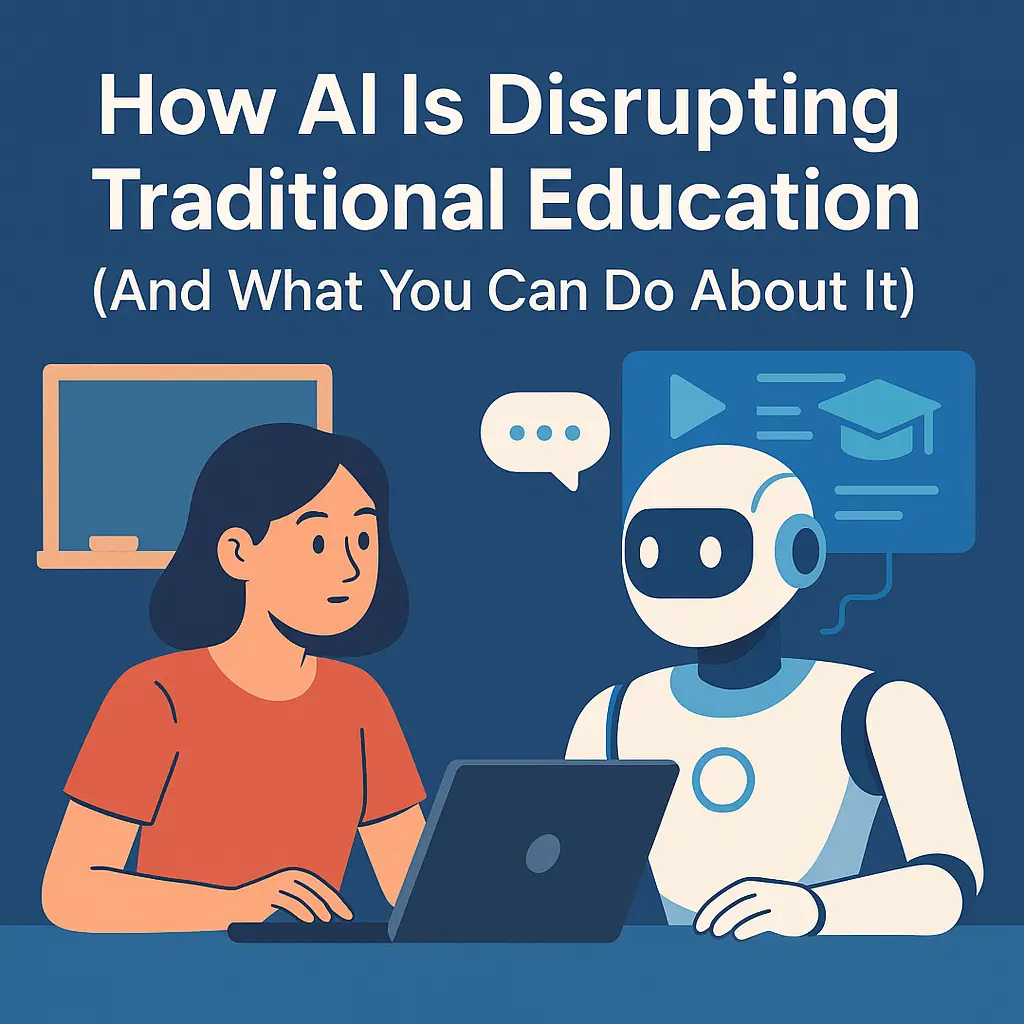
Artificial Intelligence (AI) is reshaping the educational landscape by solving key challenges in teaching, learning, and administration. AI tools provide personalized learning experiences, automate administrative tasks, and enable real-time data analysis to optimize student outcomes. This article explores the quantifiable effects of AI on education and provides actionable steps educators and students can take to benefit from this technological shift.
Want to dive deeper? Discover more about AI tools in education here.
The Role of AI in Transforming Education
AI is revolutionizing the way education is delivered. From personalized learning experiences to real-time analytics, AI is creating solutions to long-standing problems in education. Below are some of the key areas where AI is making a tangible impact.
- AI-driven adaptive learning platforms for personalized instruction
- Automated grading and feedback systems for efficiency
- Real-time performance analytics to identify at-risk students early
- AI-based tutoring systems that provide 24/7 support to students
For example, AI-based platforms can identify the learning gaps of students and provide targeted resources to help them improve. This allows educators to focus their time on higher-level instruction, fostering a more efficient and effective learning environment.
AI Tools and Technologies Disrupting Traditional Education
1. Personalized Learning Through AI
One of the most significant advantages of AI is the ability to provide personalized learning. AI platforms analyze data from student interactions to create tailored lessons and resources, adjusting in real time to ensure that each student is learning at the most optimal pace.
Real-World Example: Platforms like Socrative allow educators to create dynamic assessments that adapt to the student's current knowledge level. Knewton, another powerful AI tool, provides personalized learning paths based on student progress.
Quantifiable Impact: Studies have shown that personalized learning powered by AI can improve student outcomes by up to 40%. For example, AI-driven platforms like Knewton measure learning efficiency using the formula:
Learning Efficiency = (Student Progress / Time Spent) × 100
This formula tracks how much progress a student makes relative to the amount of time spent studying, providing insights into how personalized learning pathways enhance efficiency.
2. AI in Assessment and Grading
AI is helping educators automate the grading process, allowing them to focus more on teaching. AI-based grading systems can assess both objective and subjective assignments, such as essays, using natural language processing to evaluate the content's quality.
Real-World Example: GradeScope is an AI-powered tool used in many institutions to automate grading of multiple-choice and written responses. This has significantly reduced grading time by over 30% in some schools.
3. AI in Administrative Automation
AI is also automating many administrative tasks, such as scheduling, resource allocation, and communication with students. These improvements lead to better time management for educators, allowing them to focus on what matters most – teaching.
Real-World Example: Ubiquity's AI-powered chatbots assist with administrative tasks like answering FAQs and managing student queries, which helps reduce the workload of staff by over 25%.
Quantifiable Impact: AI tools that automate administrative tasks have shown to increase overall administrative efficiency by at least 30%. The formula to measure this is:
Administrative Efficiency = (Time Saved / Total Admin Time) × 100
This formula allows educational institutions to calculate how much time is saved by AI automation, which can then be redirected toward enhancing student learning outcomes.
Explore More on AI and Education
- How AI is Changing the Way Colleges Use Data to Support Students
- AI Helps Colleges Predict Retention and Student Success
- How AI Will Change the Future of Education
Conclusion
The future of education is inextricably linked to the development of AI technologies. By implementing AI-driven tools, educators can provide more personalized learning experiences, improve administrative efficiency, and enhance the overall educational experience. The key to staying ahead in this new educational landscape is to embrace AI early and adapt its technologies to fit the unique needs of each student and educator.
Stay updated with the latest trends in AI and education by visiting our website regularly for more insights and resources!